

Spices are among the most commonly used food ingredients that add flavor, color, and aroma to dishes. However, one of the main concerns of consumers is distinguishing pure and high-quality spices from adulterated and impure varieties. In many cases, spices may be mixed with cheaper substances or even contain artificial colors and flavors. Therefore, identifying genuine and reliable spices can enhance food quality and promote consumer health. This article will explore key points for identifying pure and authentic spices.
1. Examining the Color and Texture of Spices
One of the first ways to identify pure spices is by paying attention to their color and texture. Natural spices have vibrant, non-artificial colors and lack any unnatural glossiness. For example, pure turmeric has a yellow-orange hue, whereas adulterated turmeric may have a brownish or light yellow tint. Similarly, natural red pepper is deep red or maroon, whereas impure versions may be overly bright or have an orange undertone. Regarding texture, natural spices are usually not uniform, and particles of varying sizes can be seen. Additionally, some adulterants, such as added starch or artificial color powders, may alter the natural texture of a spice, making it appear too fine or unnaturally smooth.
2. Checking the Aroma and Taste of Spices
Pure spices have a strong and natural aroma and flavor. If a spice has a weak or unusual smell, it is likely to contain impurities. For example, pure cinnamon has a warm, sweet, and slightly spicy scent, while counterfeit cinnamon may have a weak or strange odor. Similarly, tasting a slight spice can determine whether its flavor is natural and long-lasting. The spice may contain unauthorized additives if the taste fades quickly or is unpleasant. Spices with added artificial flavors may initially seem strong but lack the depth and complexity of pure spices when compared side by side.

3. Water Test
A simple way to test the purity of spices is by checking their reaction in water. Natural spices are insoluble in water and settle uniformly at the bottom. However, adulterated spices may dissolve quickly and release artificial color. For instance, when dissolved in water, pure saffron produces a natural yellow or orange color and takes time to release its color. In contrast, counterfeit saffron may instantly release an intense red or orange shade. Similarly, powdered turmeric mixed with synthetic color may stain the water excessively, whereas pure turmeric will gradually diffuse a mild yellow hue.
4. Paying Attention to Source and Brand
Another way to ensure the authenticity of spices is by purchasing from reputable brands and reliable sources. Trusted brands are subject to health regulations and meet quality and purity standards. Additionally, product labels provide valuable information about ingredients, production date, expiration date, and place of origin. Buying bulk, unbranded spices increases the likelihood of purchasing counterfeit products. It is also advisable to research trusted suppliers specializing in high-quality organic or single-origin spices, as these are less likely to contain unwanted additives.
5. Traditional and Home Methods for Identifying Pure Spices
In some cases, traditional and home-based methods can identify pure spices. For example:
- Saffron: To test the purity of saffron, place a small amount on white paper and add a few drops of water. It is likely pure if it produces a natural yellow color; however, it may contain artificial dyes if it releases an intense red color.
- Black Pepper: Pure black pepper emits a strong, spicy aroma when ground. If the powder has a weak or unusual smell, it may contain impurities such as starch or other substances.
- Cinnamon: To identify pure cinnamon, drop a small piece into water. Pure cinnamon absorbs water slowly and softens gradually, whereas fake cinnamon may quickly absorb water and change texture.
- Clove Test: Genuine cloves will float vertically in water due to their oil content, while adulterated cloves, which may have been soaked or extracted of oil, tend to sink horizontally.
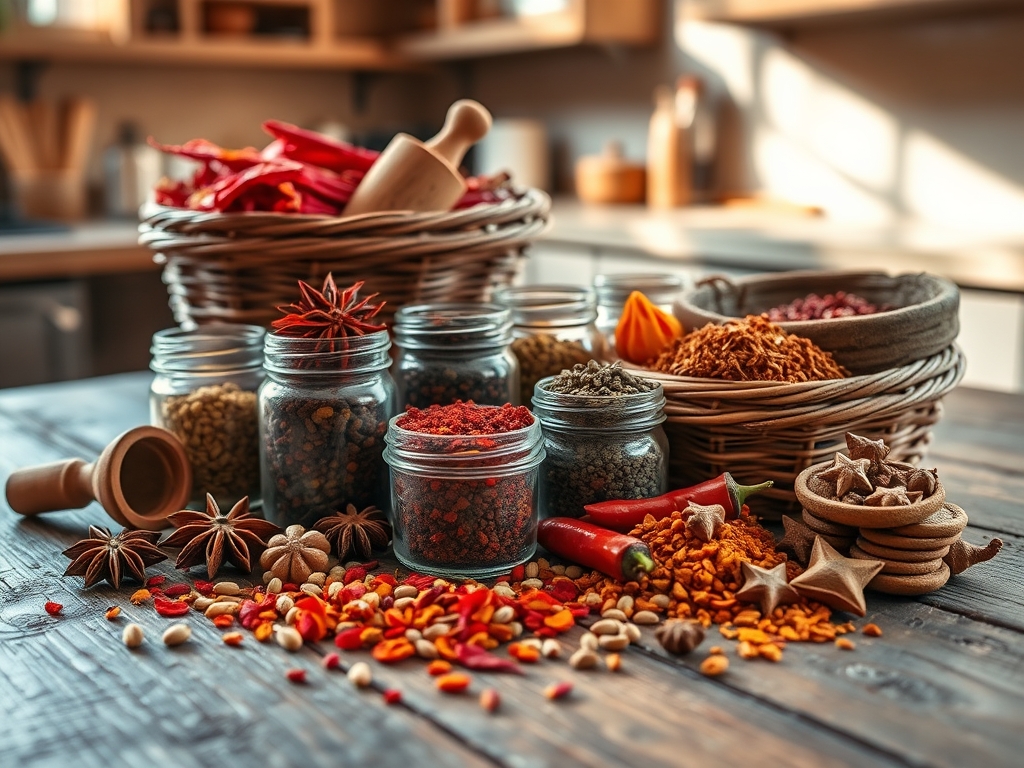
6. Using Laboratory Tests and Advanced Techniques
Laboratory tests can determine the purity of spices in cases where a more precise examination is needed. These tests use advanced equipment to analyze the components of spices and detect impurities. While such methods are commonly used in the food industry and significant spice production companies, specialized laboratories also offer services for spice authentication. High-performance liquid chromatography (HPLC) and mass spectrometry can help detect artificial dyes, preservatives, and non-spice fillers in commercial products.
7. Paying Attention to Packaging and Storage Conditions
Another critical factor affecting the quality and purity of spices is their packaging and storage conditions. Pure spices are typically packaged in moisture-resistant and light-protected containers. Spices exposed to air and humidity lose flavor and aroma over time, and bacterial and fungal growth risk increases. Therefore, storing spices in sealed containers in a dry place and away from direct sunlight is recommended. Glass jars with airtight lids are often the best option for maintaining freshness. At the same time, exposure to plastic packaging for prolonged periods may lead to chemical contamination.
Conclusion
Identifying pure and authentic spices requires awareness and attention. By examining spices’ appearance, aroma, and taste, conducting simple home tests, purchasing from reputable brands, and ensuring proper storage conditions, consumers can avoid counterfeit and low-quality spices. Additionally, being mindful of where and how spices are sourced can help ensure purity. Paying attention to these factors enhances food quality and plays a crucial role in health. Therefore, always be cautious when buying spices and use the mentioned methods to verify their purity. Investing in high-quality spices improves culinary experiences and helps maintain overall health by avoiding exposure to harmful adulterants.


